


 Click it and Unblock the Notifications
Nothing Phone 4a Pro vs Realme 16 Pro Plus vs Redmi Note 15 Pro Plus: Best Premium Mid-Range Phone in 2026?

The Nothing Phone 4a series has officially been unveiled in India and globally. And as expected, both phones have gotten major price hikes over their predecessors. This puts the Nothing Phone 4a Pro in premium mid-range territory with the likes of the Realme 16 Pro+ and Redmi Note 15 Pro+.
So we've decided to pit it against these popular mid-range challengers to help you differentiate between the three and pick the right one for your use case. So without any further delays, here's a look at our full comparison of the Nothing Phone 4a Pro, Realme 16 Pro+, and Redmi Note 15 Pro+.

Nothing Phone 4a Pro vs Realme 16 Pro Plus vs Redmi Note 15 Pro Plus: Comparison
| Specifications | Realme 16 Pro Plus | Nothing Phone 4a Pro | Redmi Note 15 Pro Plus |
| Chipset | Snapdragon 7 Gen 4 SoC | Snapdragon 7 Gen 4 SoC | Snapdragon 7s Gen 4 SoC |
| Display | 6.8-inch 1.5K AMOLED Display, 144Hz, 6,500 nits (Peak), HDR10+, 453 PPI | 6.83-inch 1.5K AMOLED Display, 120Hz, 5,000 nits (Peak), 460 PPI, HDR10+ | 6.83-inch 1.5K AMOLED Display, 120Hz, 3,200 nits (Peak), 447 PPI, HDR10+, Dolby Vision |
| RAM | 8GB/12GB LPDDR4X | 8GB/12GB LPDDR5X | 8GB/12GB LPDDR4X |
| Storage | 128GB/256GB UFS 3.1 | 256GB/512GB UFS 3.1 | 256GB/512GB UFS 2.2 |
| Rear Cameras | 200MP (Main) with OIS + 8MP (Ultrawide) with AF + 50MP (Periscope-Telephoto) with OIS | 50MP (Main) with OIS + 50MP (Telephoto) with OIS + 8MP (Ultrawide) | 200MP (Main) with OIS + 8MP (Ultrawide) |
| Front Camera | 50MP, 4K @60fps Video | 32MP, 4K @30fps Video | 32MP, 1080p @60fps Video |
| Battery | 7,000 mAh Battery, 80W Wired Fast Charging | 5,400 mAh Battery (5,080 mAh Global), 90W Wired Charging | 6,500 mAh Battery, 100W Wired Charging |
| IP Rating | IP68+IP69 Rating | IP65 Rating | IP68+IP69 Rating |
| Software | Android 16, Realme UI 7.0 (4 Years Android, 6 Years Security) | Android 16,Nothing OS 4.1 (3 Years Android, 5 Years Security) | Android 15, HyperOS 2.0 (4 Years Android, 6 Years Security) |
| Price | Starting Price - Rs 39,999 | Starting Price - Rs 39,999 | Starting Price - Rs 37,999 |
Design & Build
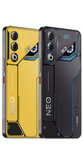
All three smartphones feature standout designs, with both Realme and Redmi opting for elegance. On the other hand, Nothing's edgy is approach is very much on full display with the Phone 4a Pro. While the Redmi Note 15 Pro Plus and Realme 16 Pro Plus feature quad-curved front panels, the Nothing Phone 4a Pro has a flat display and a box-shaped frame.
- In terms of build quality, the Nothing Phone (4a) Pro features Gorilla Glass 7i on the front and back, making it the toughest of the three devices.
- The Realme 16 Pro+ has two back panel options, including eco-leather and plastic, and Gorilla Glass 7i on the front.
- Finally, the Redmi Note 15 Pro+ has a fiber-reinforced plastic or eco-leather back panel and Gorilla Glass Victus 2 on the front, giving it the strongest screen protection.
While all three phones feature dust and water resistance, the IP65 rating on the Nothing Phone 4a Pro cannot be immersed in water for a limited period. A metal frame is also common among all three smartphones. However, for those who wish to standout, the Nothing Phone 4a Pro here with its Glyph Matrix rear display is the obvious choice.
Display
While Nothing, Realme, and Redmi all incorporate 1.5K AMOLED displays, Realme has a slight advantage with higher refresh rate. However, the Note 15 Pro+ is the only one of the three with a screen that supports Dolby Vision, you'll have to settle for HDR10+ on the Nothing Phone 4a Pro and Realme 16 Pro Plus. Finally, the Realme 16 Pro+ has the brightest screen of the three phones.
The differences in the displays of the three phones are minor, although for content consumption, the Redmi Note 15 Pro+ wins with its 12-bit display.
Performance
For performance, the Redmi Note 15 Pro+ falls short of the mark with a Snapdragon 7s Gen 4 chip, which isn't as powerful as the Snapdragon 7 Gen 4 SoC on the Phone 4a Pro and Realme 16 Pro+. Additionally, the Phone 4a Pro and Realme 16 Pro+ also come with faster UFS 3.1 storage, while the former uses faster LPDDR5X RAM standards.
Cameras
The Realme 16 Pro+ has arguably the best main camera of any of the three phones with its 200MP Samsung HP5 primary sensor (OIS, f/1.8 aperture). It also features an 8MP ultrawide lens and a 50MP periscope-telephoto unit (3.5x optical zoom, OIS, f/2.8 aperture). Up front, the Realme 16 Pro+ opts for a 50MP selfie camera with an f/2.4 aperture.
The Redmi Note 15 Pro+ matches Realme's main camera, opting for a 200MP Samsung ISOCELL S5KHPE primary sensor (OIS, f/1.7 aperture). It also features an 8MP ultrawide OmniVision OV08F10 shooter with an f/2.2 aperture, although there's no telephoto shooter here. Up front, the Redmi Note 15 Pro Plus opts for a 32MP OmniVision OV32D40 selfie camera with an f/2.2 aperture.
The Nothing Phone 4a Pro also has a stacked camera setup with a 50MP Sony LYT700c primary sensor (OIS, f/1.88 aperture). The main camera is accompanied by an 8MP Sony IMX355 ultrawide lens with a 120° FOV and a 50MP Samsung JN5 3.5x periscope telephoto shooter with OIS and 3.5x optical zoom. Up front, the Phone (4a) Pro opts for a 32MP (Samsung KD1) selfie camera with an f/2.2 aperture.

Based on the camera specifications alone, the Realme 16 Pro+ appears to have the most versatile setup among the three, thanks to its 200MP primary sensor paired with a 3.5x periscope telephoto camera. The Nothing Phone 4a Pro also offers a well-rounded system with both ultrawide and periscope zoom capabilities, though its main sensor resolution is lower. Meanwhile, the Redmi Note 15 Pro+ matches the 200MP main camera but lacks a dedicated telephoto lens, which may limit its zoom flexibility.
Overall, purely on paper, the Realme 16 Pro+ and Nothing Phone 4a Pro offer more complete camera systems, although real-world performance will ultimately depend on image processing and software optimization.
Battery
The Realme 16 Pro+ has the largest battery of the three phones, while the Note 15 Pro+ follows in close second. On the other hand, the Nothing Phone 4a Pro has the smallest battery capacity of any phone on this list, although its 5,400mAh cell should pass our all-day battery test. Nothing also has a disadvantage in the charging department, offering the slowest charging support of the three phones. Additionally, the Phone 4a Pro doesn't include an adapter in the box.
Software
On the software side, all three smartphones run Android 16 with their custom skins on top. While Realme and Redmi promise an extra year of Android OS and security updates, the latter released the Note 15 Pro+ on Android 15. Nothing OS 4, HyperOS 3, and Realme UI 7 are Android 16-based skins offering distinct custom experiences.
- Nothing OS 4 emphasizes minimalist design with AI-driven widgets, pop-up multitasking, Extra Dark Mode, redesigned quick settings, and enhanced privacy dashboards for transparency.
- HyperOS 3 from Xiaomi prioritizes seamless multitasking, superior RAM management (retaining apps in background better), and a pure Android feel with quick updates.
- Realme UI 7 focuses on intuitive app access but lags in simultaneous feature viewing compared to HyperOS, blending customization with fluid animations. Nothing suits design purists, HyperOS power users, and Realme UI casual tinkerers.

Nothing Phone 4a Pro vs Realme 16 Pro+ vs Redmi Note 15 Pro+: Conclusion
Overall, the Nothing Phone 4a Pro, Realme 16 Pro+, and Redmi Note 15 Pro+ each cater to slightly different priorities in the premium mid-range segment.
- The Nothing Phone 4a Pro shines for design enthusiasts with its edgy Glyph Matrix back, toughest Gorilla Glass 7i build, and flat display paired with Nothing OS 4's minimalist AI features.
- The Realme 16 Pro+ leads in versatility, boasting the brightest 1.5K AMOLED with superior refresh rate, largest battery, fastest charging, and a stellar 200MP camera system with periscope zoom.
- Meanwhile, the Redmi Note 15 Pro+ excels in content viewing via Dolby Vision and 12-bit panel, plus robust screen protection, though its Snapdragon 7s Gen 4 and lack of telephoto hold it back slightly.
Your pick depends on priorities: Nothing for standout style and software purity, Realme for all-round excellence in display and cameras, or Redmi for value-driven media consumption. All deliver solid Android 16 performance, but Realme edges ahead on paper for most users, but we prefer Nothing for its unique design proposition and software experience.


-
 54,999
 -
 99,999
 -
 1,44,900
 -
 89,998
 -
 46,500
 -
 57,998
 -
 53,989
 -
 1,59,999
 -
 1,29,999
 -
 99,999
-
 70,499
 -
 1,56,900
 -
 1,30,990
 -
 17,084
 -
 16,999
 -
 30,999
 -
 9,999
9,999 -
 79,900
 -
 8,999
8,999 -
 79,999
-
 20,999
 -
 37,999
 -
 25,999
 -
 31,999
 -
 24,999
 -
 10,999
 -
 15,999
 -
 45,999
 -
 19,499
 -
 1,61,999
-1763362932432.svg)

 Continue with Google